


Seller Disclosure Preparation Before Listing
A buyer who discovers a water stain, an aging electrical panel, or a recurring drainage issue after submitting an offer will have questions. Seller disclosure preparation gives you a practical way to answer them with clear, accurate information before uncertainty becomes a negotiation problem. It is not about making a home appear perfect. It is about presenting its known condition honestly, documenting what has been addressed, and avoiding preventable surprises.
For sellers, this work can protect the transaction timeline and support more realistic buyer expectations. For buyers, it creates a clearer picture of the property they are considering. The most useful disclosures are specific, timely, and supported by records rather than guesswork.
What Seller Disclosure Preparation Really Involves
A seller disclosure is a statement of what the seller knows about a property's condition, history, repairs, and defects. The exact form and legal requirements vary by jurisdiction, property type, and transaction. A seller should use the applicable local disclosure documents and seek legal or real-estate advice when questions involve disclosure obligations.
Preparation begins before the form is filled out. It means reviewing the house system by system, gathering records, and identifying issues that may be visible, recurring, recently repaired, or likely to be raised during a buyer's inspection. The objective is not to diagnose every possible defect on your own. It is to disclose known information accurately and avoid statements that could be misleading by omission.
A useful distinction is the difference between a completed repair and an unresolved condition. If a roof leak was repaired three years ago and has not returned, disclose the prior issue and retain the invoice if available. If water still enters the basement during heavy rain, saying that the area was "improved" is not enough. Describe the condition plainly, including when it occurs and what work has been done.
Start With the Property's History
Memory is often the first weak point in a disclosure. Sellers may forget a repair completed years earlier, especially if it was handled by a previous owner, a contractor, or a condominium association. Begin with paperwork, not assumptions.
Review purchase documents, prior inspection reports, renovation permits, contractor invoices, warranties, insurance claims, maintenance logs, utility records, and correspondence concerning repairs. These records can confirm dates, identify the scope of work, and help you avoid vague answers. They also give a buyer context. Replacing a failed water heater is different from repeatedly repairing an active plumbing leak.
Pay close attention to conditions that tend to recur. A foundation crack that was sealed, a sump pump that runs during storms, attic condensation, ice damming, sewer backups, intermittent electrical tripping, or a heating system that requires frequent service may all be relevant. A repair may have been appropriate and successful, but a buyer should not have to uncover the history later through an inspection report or neighbor conversation.
If records are missing, do not invent details. State what you know, when you became aware of it, and whether you have supporting documentation. Clear uncertainty is better than false certainty.
Prepare by Building System, Not by Room
Walking through a property room by room can overlook the connections between systems. A more reliable approach is to consider the home by its major components: roof and exterior, structure and drainage, plumbing, electrical, heating and cooling, insulation and ventilation, and interior finishes.
Roof, Exterior, and Drainage
Look for past or present roof leaks, damaged shingles, flashing repairs, chimney issues, clogged gutters, grading concerns, window leaks, and siding deterioration. Note the approximate age of the roof if known, but avoid presenting an estimate as a guaranteed remaining service life.
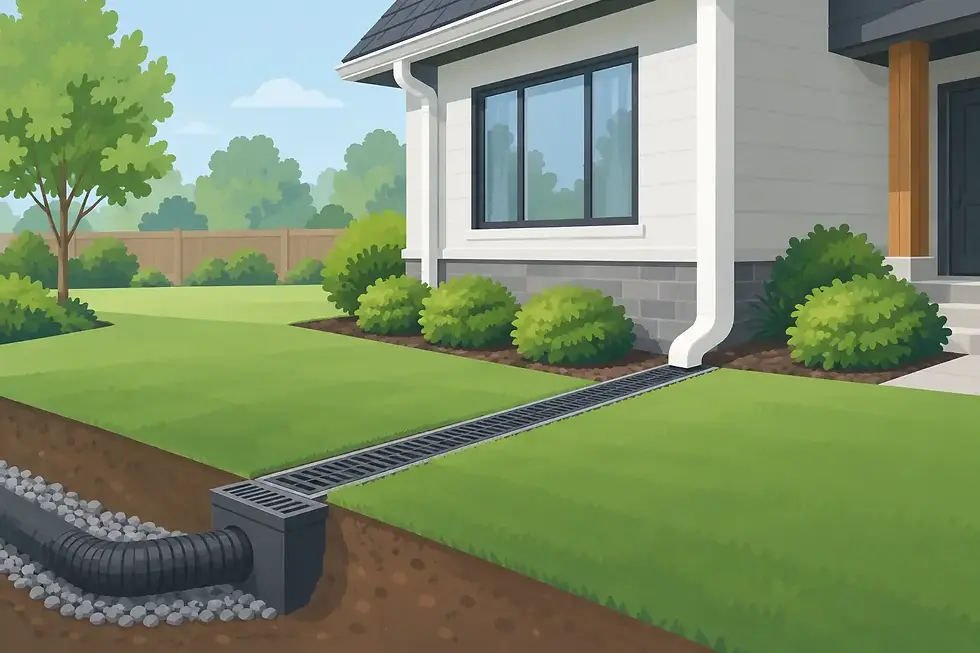
Drainage deserves particular care. Water that collects near the foundation, enters a basement, or affects a crawl space can influence a buyer's decision. Explain whether the issue happens during snowmelt, heavy rain, or specific weather conditions, and identify any corrective measures already taken.
Structure and Interior Conditions
Disclose known foundation cracks, movement, settlement, structural repairs, water intrusion, mold or moisture concerns, pest activity, damaged flooring, and ceiling stains. Cosmetic repairs should not be used to hide an active condition. Fresh paint may improve a room, but it does not answer why a stain appeared or whether the underlying cause was corrected.
In older homes, buyers may also ask about insulation, ventilation, and renovation work. If walls were opened, additions were built, or load-bearing elements were modified, retain any available permits, drawings, and invoices.
Plumbing, Electrical, and HVAC
These systems are frequent sources of inspection findings because much of their condition is hidden or only apparent during operation. Be ready to disclose plumbing leaks, past sewer or septic concerns, pipe replacements, water pressure issues, electrical upgrades, outdated wiring, panel changes, recurring breaker trips, heating repairs, air-conditioning performance concerns, and fuel-burning appliance service.
A seller is not expected to provide a technical diagnosis. Still, terms such as "works fine" can create unnecessary risk if a system has been unreliable. A more accurate statement might explain that the furnace was serviced last fall, that a component was replaced, or that the air conditioner has occasionally required a reset. Facts are more helpful than conclusions.
Use a Pre-Listing Inspection as a Decision Tool
A pre-listing inspection can make seller disclosure preparation more informed. A qualified inspector evaluates accessible components and identifies visible deficiencies, safety concerns, maintenance items, and conditions that may require further investigation. This gives the seller an opportunity to understand the property's condition before a buyer's inspection becomes the first detailed review.
The trade-off is straightforward. An inspection may identify issues you did not expect, and known material concerns may need to be disclosed under applicable requirements. However, learning about an issue before listing gives you choices. You can repair it, obtain an estimate, adjust pricing expectations, or explain it accurately in advance.
A detailed photographic report is especially useful when reviewing conditions with contractors or preparing documentation for the listing. Thermal imaging may also help identify temperature differences associated with insulation gaps, moisture patterns, or electrical concerns, although it is not a substitute for further evaluation when a concern is identified.
Keep Documentation Organized and Accurate
Once you have reviewed the home, organize your information so it can be referenced easily. A simple property file should include the disclosure form, repair invoices, permits, warranties, service records, inspection reports, and receipts for major replacements. Label documents by system and date.
For recurring issues, a short written timeline can be valuable. For example: water appeared near the rear basement wall during two storms, exterior grading was adjusted, a drainage contractor completed work, and no recurrence has been observed since a specified date. This is clearer than providing a stack of invoices without context.
Avoid altering, selectively withholding, or overstating documentation. If an invoice reflects a limited repair, do not describe it as a full replacement. If a contractor recommended further work that was not completed, that may also be relevant. Transparency does not mean overwhelming buyers with every minor maintenance receipt. It means providing enough accurate information for them to understand significant known conditions.
Common Disclosure Mistakes That Create Friction
Some sellers assume a recently renovated home needs little disclosure. Renovations can improve a property, but they can also raise questions about permits, contractor work, hidden conditions, and whether older systems were upgraded at the same time. Describe what was done and retain the records.
Another common mistake is relying on verbal explanations. A conversation during a showing can be forgotten or misunderstood. Important information should be reflected in the appropriate written disclosure process.
Sellers should also avoid treating an inspection report as a repair list that must be completed before sale. Not every finding requires correction. Homes of every age have maintenance needs. The better decision depends on safety, cost, market conditions, the nature of the defect, and whether a repair can be completed properly before listing. What matters is that known conditions are addressed or represented honestly.
A Clearer Path to a Confident Sale
Seller disclosure preparation works best when it starts early, before listing photos are taken and before offer deadlines create pressure. Give yourself time to locate records, ask contractors questions, and obtain a professional inspection if you need a more complete view of visible conditions.
A well-prepared disclosure does more than reduce surprises. It shows buyers that the property has been cared for by a seller willing to communicate clearly. That level of care can make difficult conversations more manageable and help both sides move forward with better information.


Comments