


Inspection Fee Responsibility: Who Usually Pays?
A home inspection may take only a few hours, but the decision to order one can affect a purchase worth hundreds of thousands of dollars. That is why inspection fee responsibility should be discussed before an offer is accepted, not when the inspection appointment is being scheduled. In most residential transactions, the buyer pays for the inspection they request. Still, the answer can change based on the type of inspection, the wording of the purchase agreement, and the local real estate practice.
The fee is not simply a closing cost to assign. It pays for an independent assessment of the property’s visible and accessible condition, including major systems that can influence your purchase decision, negotiation position, and future maintenance budget.
Inspection Fee Responsibility in a Typical Purchase
A buyer usually pays for a pre-purchase home inspection because the inspection is being obtained for the buyer’s protection. The buyer selects the inspector, receives the report, and decides how to use the findings within the inspection contingency or due-diligence period.
This arrangement supports independence. An inspector’s role is to assess the property objectively and explain observed conditions, not to protect the interests of the seller, agent, lender, or any other party. When the buyer commissions the work directly, the scope of service, report delivery, and follow-up discussion are centered on that buyer’s questions.
For a buyer, the inspection fee is often one of the first meaningful investments in the transaction. It can reveal safety concerns, evidence of moisture intrusion, aging equipment, structural movement, electrical deficiencies, plumbing concerns, roof wear, or conditions that need review by a qualified specialist. A clear report with photographs helps turn those observations into practical next steps.
The buyer does not pay for certainty that nothing will ever need repair. No visual inspection can predict every future failure or uncover conditions hidden behind walls, ceilings, insulation, furniture, or finished surfaces. What a careful inspection provides is a clearer picture of the property on the day of the visit and a better basis for making an informed decision.
When a Seller Pays for an Inspection
Sellers commonly pay when they order a pre-listing inspection before putting the home on the market. This is a proactive choice, not usually a requirement. A seller may want to identify deficiencies early, complete selected repairs, gather documentation, and reduce the chance of last-minute surprises after a buyer makes an offer.
A pre-listing inspection can be particularly useful for older homes, properties that have undergone renovations, homes with long periods of deferred maintenance, or sellers who have not lived in the property recently. It gives the seller time to understand issues without the pressure of an active transaction deadline.
That said, a seller’s inspection does not eliminate the buyer’s reason to obtain their own inspection. A buyer should be able to choose an independent inspector and receive a report prepared specifically for their purchase decision. The scope, conditions on the inspection day, and questions raised by each party may differ.
In some negotiations, a seller may agree to reimburse all or part of the buyer’s inspection cost. This can happen when a transaction is delayed, a seller wants to preserve goodwill, or the parties negotiate it as part of a broader agreement. It is less common than a buyer paying directly, and it should be documented clearly rather than assumed.
The Contract Controls the Answer
Local custom can be helpful, but the signed agreement controls who owes what. Purchase contracts, inspection clauses, amendments, repair agreements, and closing instructions may address costs differently. If the parties agree that a seller will contribute to the inspection fee, pay for a specialized evaluation, or provide a credit, that arrangement should be put in writing.
Buyers should also understand the difference between the inspection fee and other transaction expenses. A home inspection is not the same as an appraisal, a lender-required valuation, a survey, title work, insurance inspection, pest inspection, sewer scope, environmental testing, or an evaluation by an electrician, roofer, plumber, or structural professional. Each service has a different purpose, and responsibility for its cost can vary.
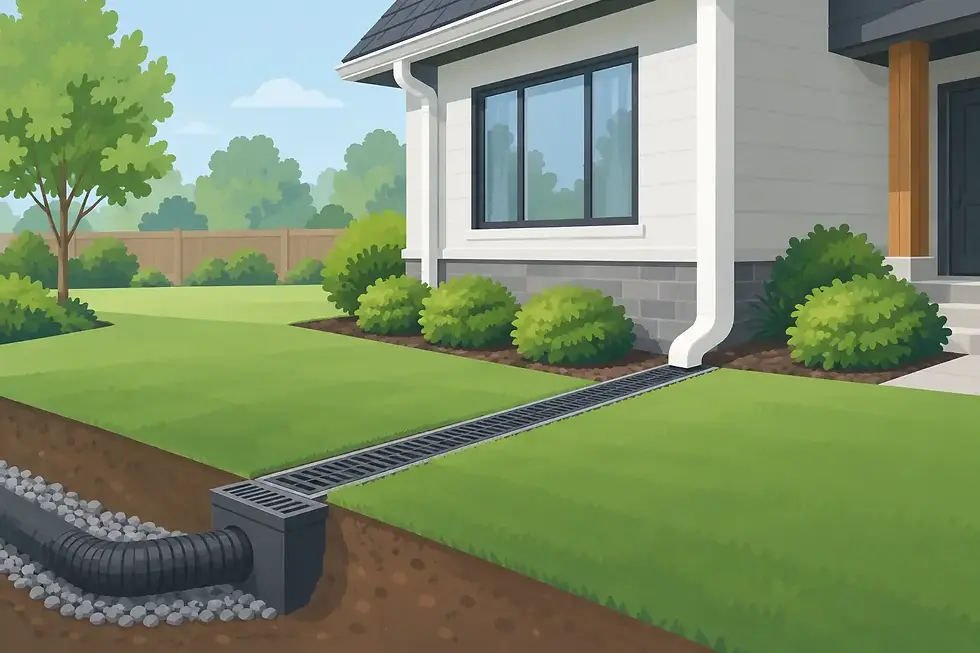
For example, a general home inspection may identify evidence of possible drainage issues around the foundation. The inspection report may recommend further assessment by a drainage contractor or other qualified professional. Whether the buyer pays for that follow-up, asks the seller to arrange it, or negotiates a credit depends on the agreement and the stage of the transaction.
What Buyers Should Ask Before Booking
Before scheduling, confirm the inspection price, the property type covered, and any add-on services you want. Pricing may vary with the home’s size, age, location, complexity, number of units, accessible areas, and added services such as infrared imaging or air sampling.
It is also wise to ask when payment is due. Many inspectors require payment at the inspection or before the report is delivered. This is normal because the inspection is a professional service provided independently of whether the purchase closes. If a buyer withdraws from a contract after reviewing the report, the inspection fee is generally still earned and is usually nonrefundable.
Ask what the report will include and when you will receive it. A useful report should clearly identify the observed condition, explain why it matters, include photographs where appropriate, and distinguish between urgent safety concerns, material deficiencies, routine maintenance, and items that need further investigation. Buyers should also ask whether they can attend the inspection and discuss findings on site.
At APARinc Home Inspections, the inspection process is designed to help clients understand the building, not simply receive a list of defects. A detailed visual assessment, clear explanations, photographic documentation, and diagnostic support can make it easier to prioritize concerns after the appointment.
A Lower Fee Is Not Always the Lower Cost
It can be tempting to choose an inspector based only on the lowest quoted price, particularly when buyers are already managing deposits, legal fees, moving costs, and financing expenses. But inspection quality matters because the report may shape a major financial decision.
A thorough inspection takes time. The inspector needs to assess accessible roofing components, exterior conditions, structure, electrical systems, plumbing, heating, cooling, ventilation, interior areas, and visible signs of water or moisture concerns. They also need time to document findings carefully and answer questions in language the client can use.
The right question is not only, “Who pays the inspection fee?” It is also, “What am I receiving for that fee?” A clear scope, qualified inspector, careful on-site work, and a report that supports action can be more valuable than a low-cost report that leaves major questions unanswered.
Handling Findings Without Confusion
An inspection report is not automatically a repair request. Homes, especially older homes, commonly have maintenance needs and signs of age. Buyers should focus first on health and safety issues, significant water intrusion, structural concerns, major system failures, and costly conditions that were not expected from the property’s age or presentation.
After reviewing the report, the buyer may proceed as planned, seek more information, request repairs, negotiate a price adjustment or credit, or withdraw if their contract allows it. Sellers may agree to some requests, decline others, or offer another solution. There is no single correct result because the property, market conditions, and contract terms all matter.
A productive discussion is specific. Rather than presenting a broad demand based on every observation, identify the material concerns, obtain specialist input when needed, and keep the written agreement focused on measurable outcomes. If repairs are agreed upon, clarify who will complete them, what documentation will be provided, and whether a reinspection is appropriate.
Protect the Decision, Not Just the Budget
Inspection fee responsibility is usually straightforward: the buyer pays for the independent inspection they order, while sellers pay for inspections they choose to obtain before listing. Exceptions are possible, particularly when negotiated and written into the agreement.
Before committing to a property, make sure you understand the inspection scope, the fee, the payment terms, and your contractual inspection deadline. A well-explained inspection gives you more than a cost estimate for repairs. It gives you a more grounded way to decide whether the home, its condition, and its future maintenance demands are right for you.


Comments